Explore · marque-level catalog
Vehicle field index
One brand name, many unrelated vehicle families. Plain-language names lead; chassis codes stay visible.
01
1940–1985
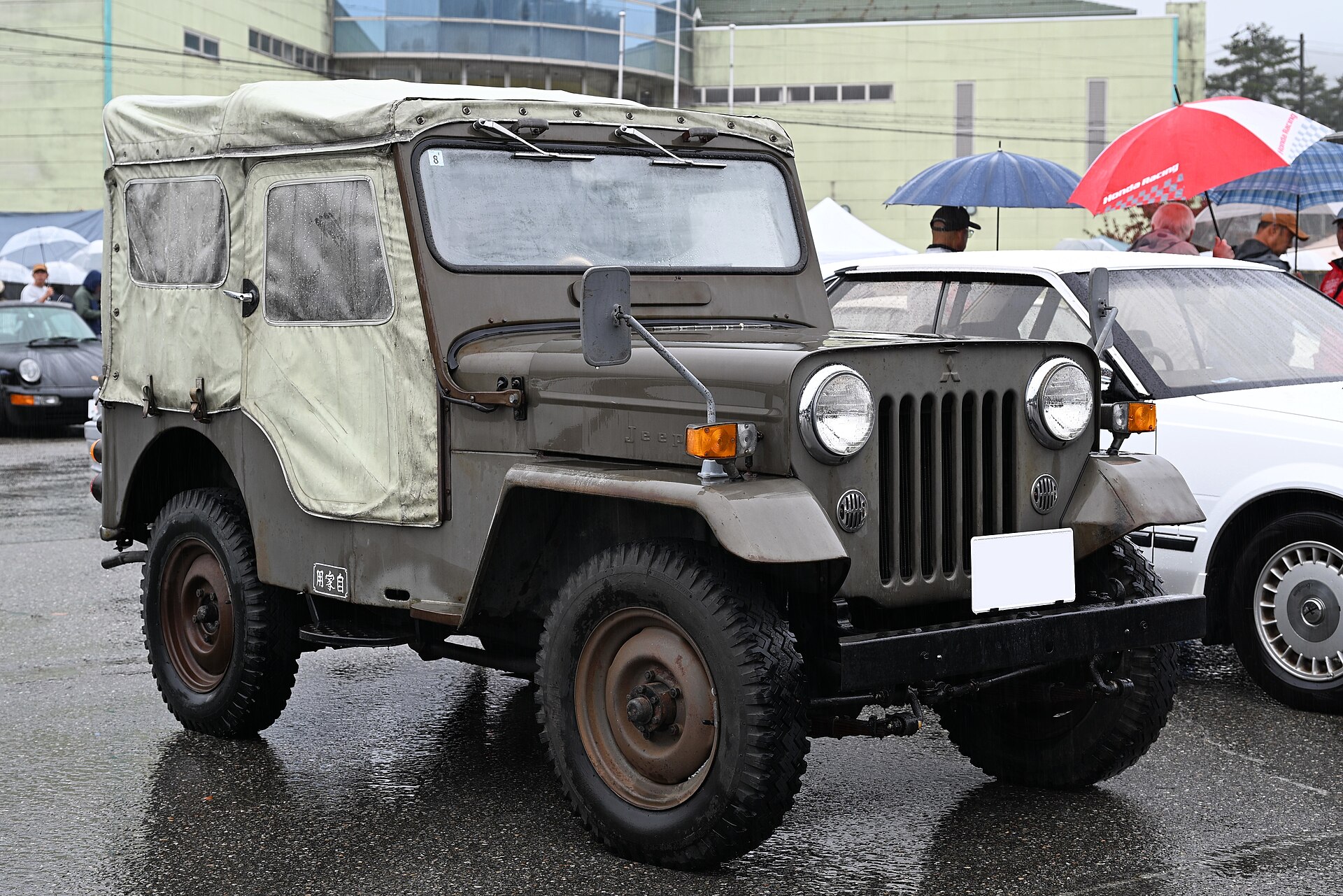
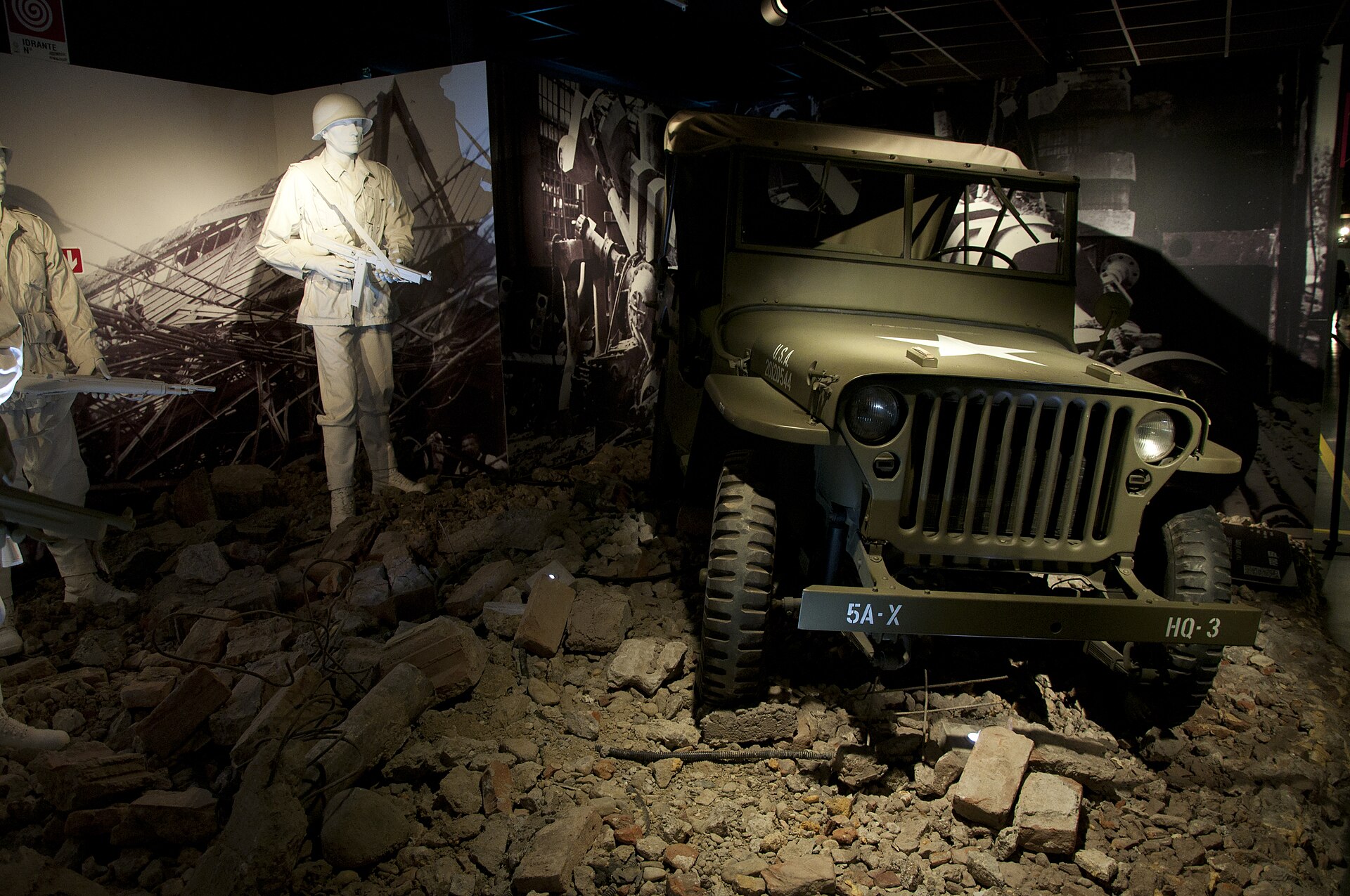
The Bantam pilot, Willys MA/MB, Ford GPW, and postwar M-series form the engineering and cultural root of the marque.
BRC / MA / MB / GPW1940–1945
M38 / M38A1 / M1701950–1967
M151 / M715 / M7251959–1985
02
1945–1986
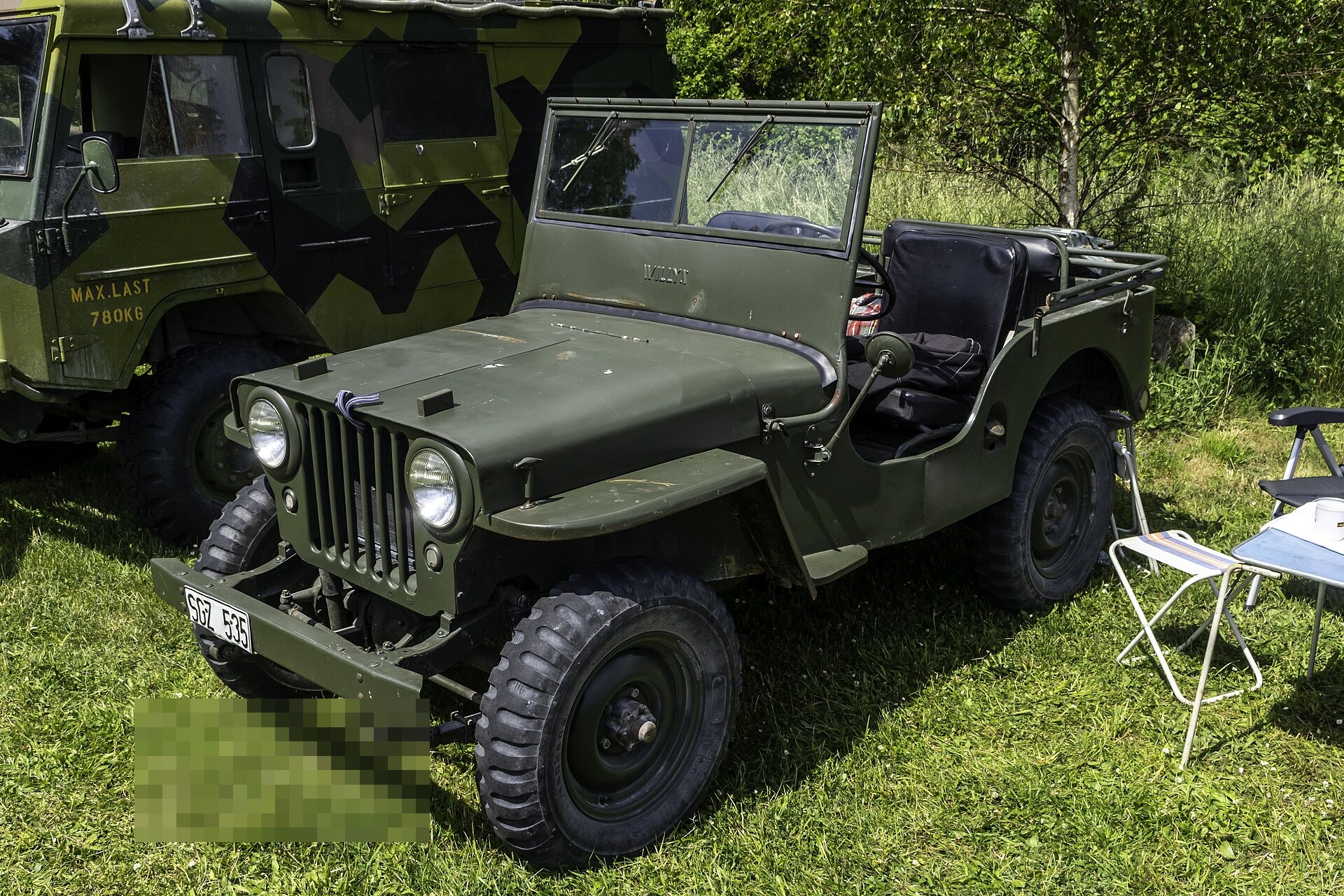
The civilian line carried the wartime layout into farms, trails, and recreation, then evolved into the direct ancestor of Wrangler.
CJ-2A / CJ-3A / CJ-3B1945–1968
CJ-5 / CJ-61955–1983
CJ-7 / CJ-81976–1986
03
1987–present
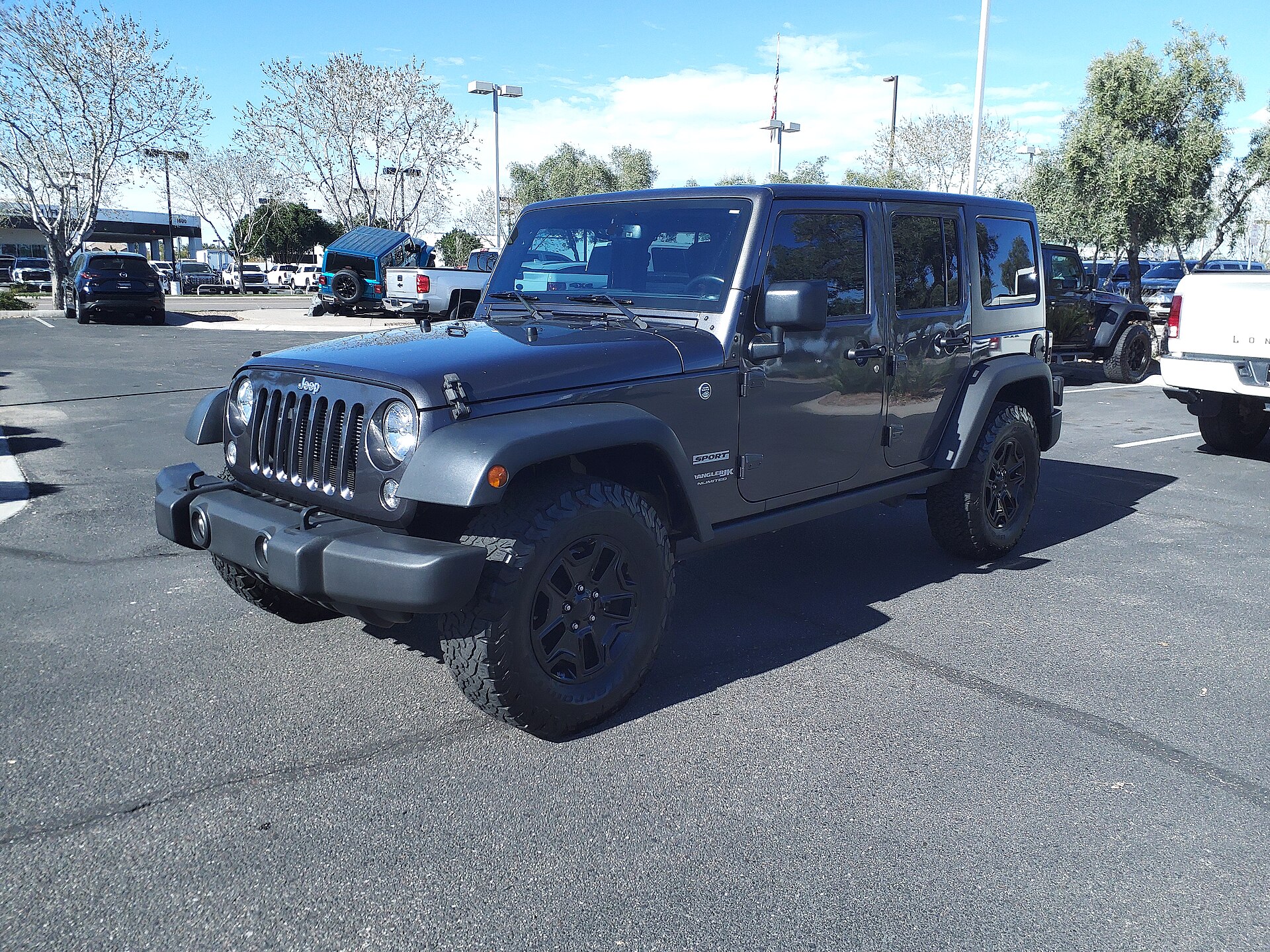
Wrangler replaced the CJ name while preserving the removable-door, open-top formula through four distinct chassis-code eras.
YJ1987–1995
TJ1997–2006
JK2007–2018
JL / JOL2018–present
04
1963–1991; 2022–present
The Brooks Stevens-led SJ paired four-wheel drive with passenger-car comfort, then survived 29 model years and four corporate owners.
SJ1963–1991
WS2022–present
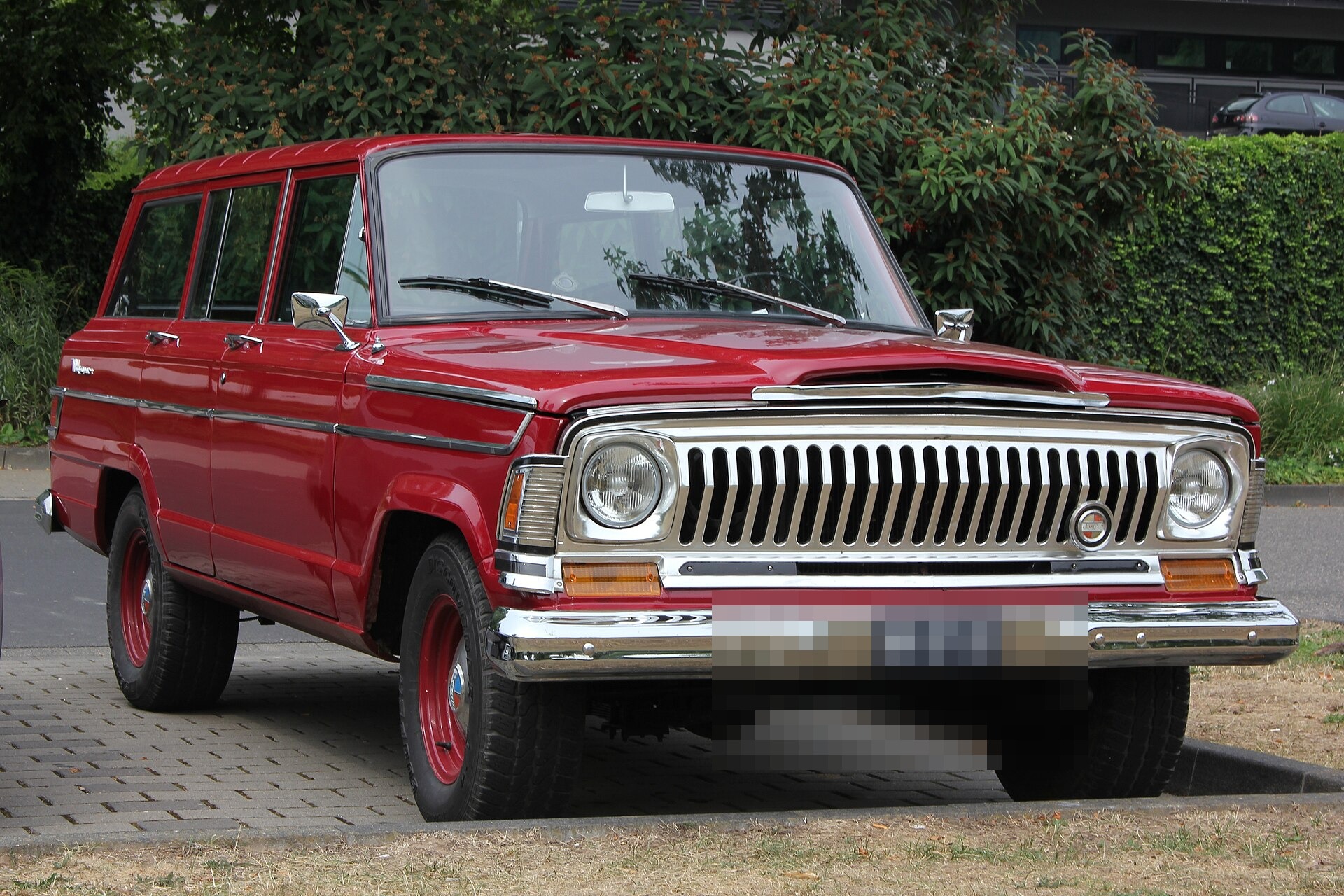
05
1974–2023
The name moved from a full-size SJ two-door to the packaging landmark XJ, then diverged by market during the Liberty era.
SJ1974–1983
XJ1984–2001 US
KJ / KK / KL2002–2023
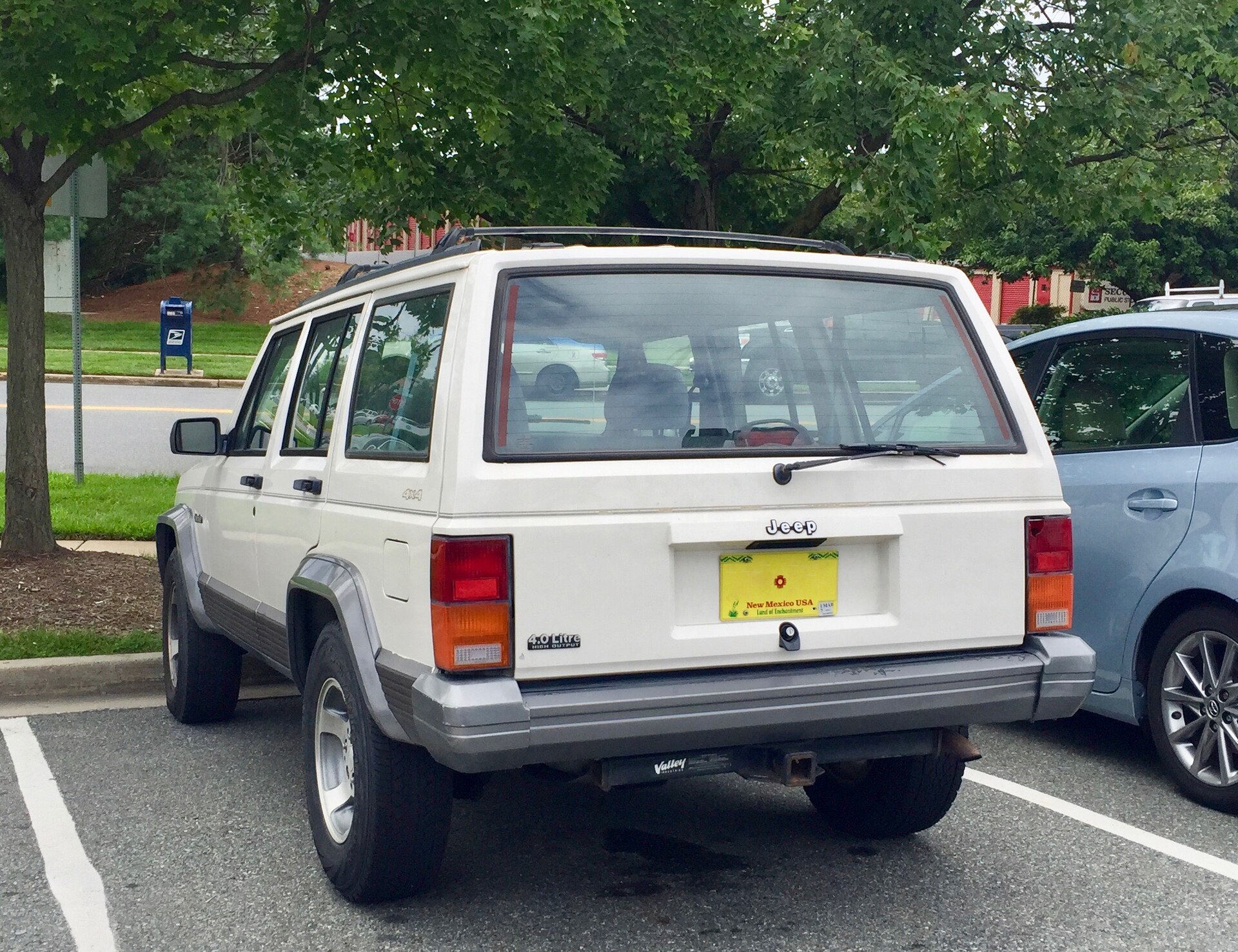
06
1993–present
An AMC-origin program launched under Chrysler with a famous Cobo Hall stunt, then evolved through five unibody generations.
ZJ1993–1998
WJ / WG1999–2004
WK2005–2010
WK22011–2022
WL2021–present
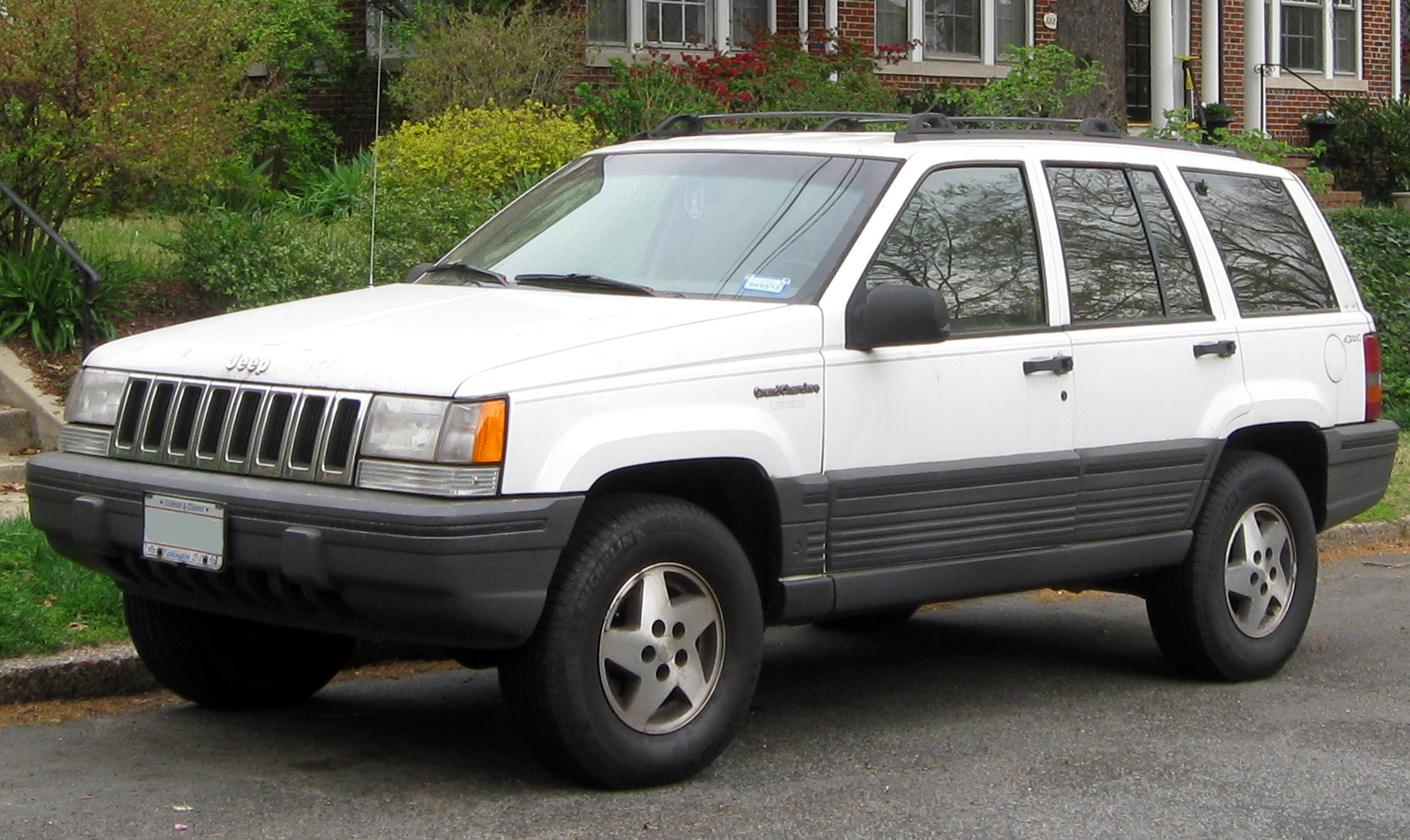
07
1962–1988; 2020–present
The Gladiator name belongs to both the original full-size SJ pickup family and the modern Wrangler-derived JT.
SJ Gladiator / J-series1962–1988
JT2020–present
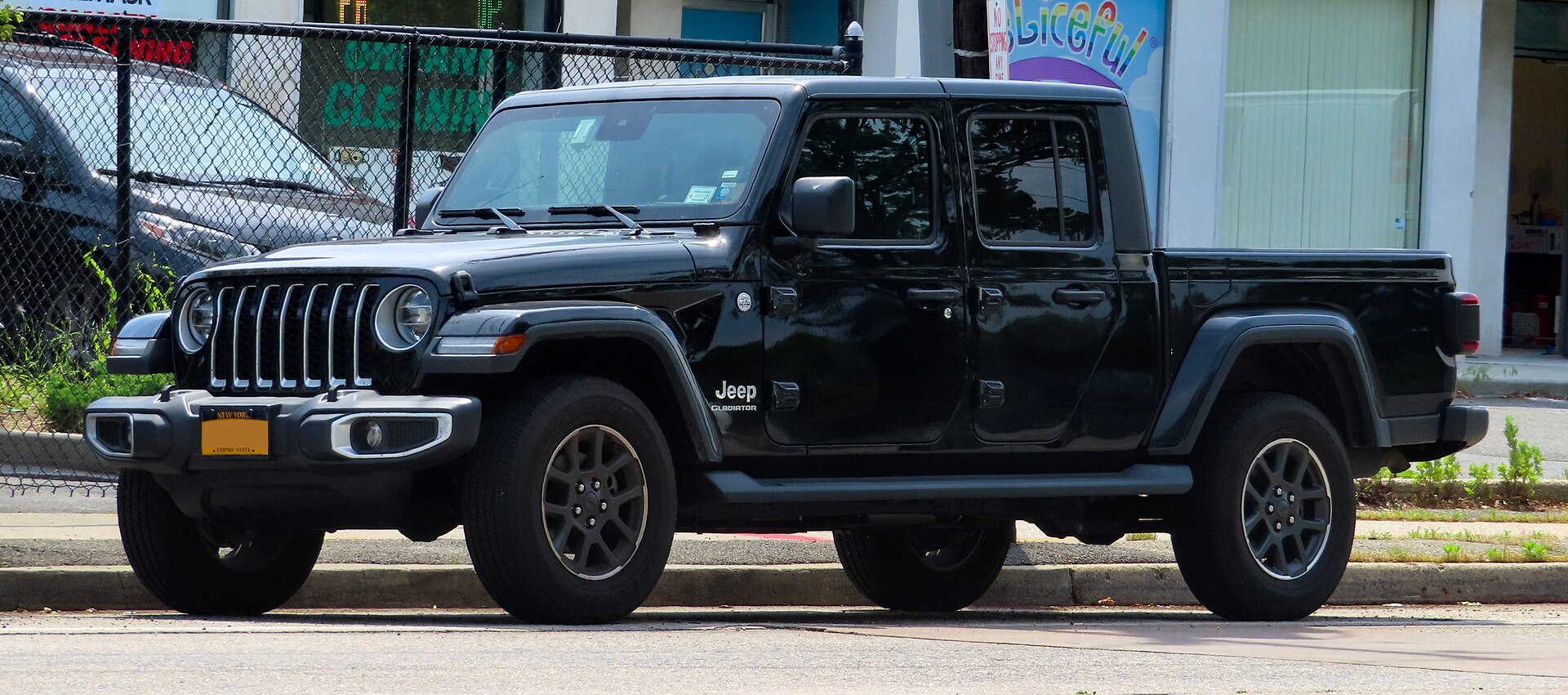
08
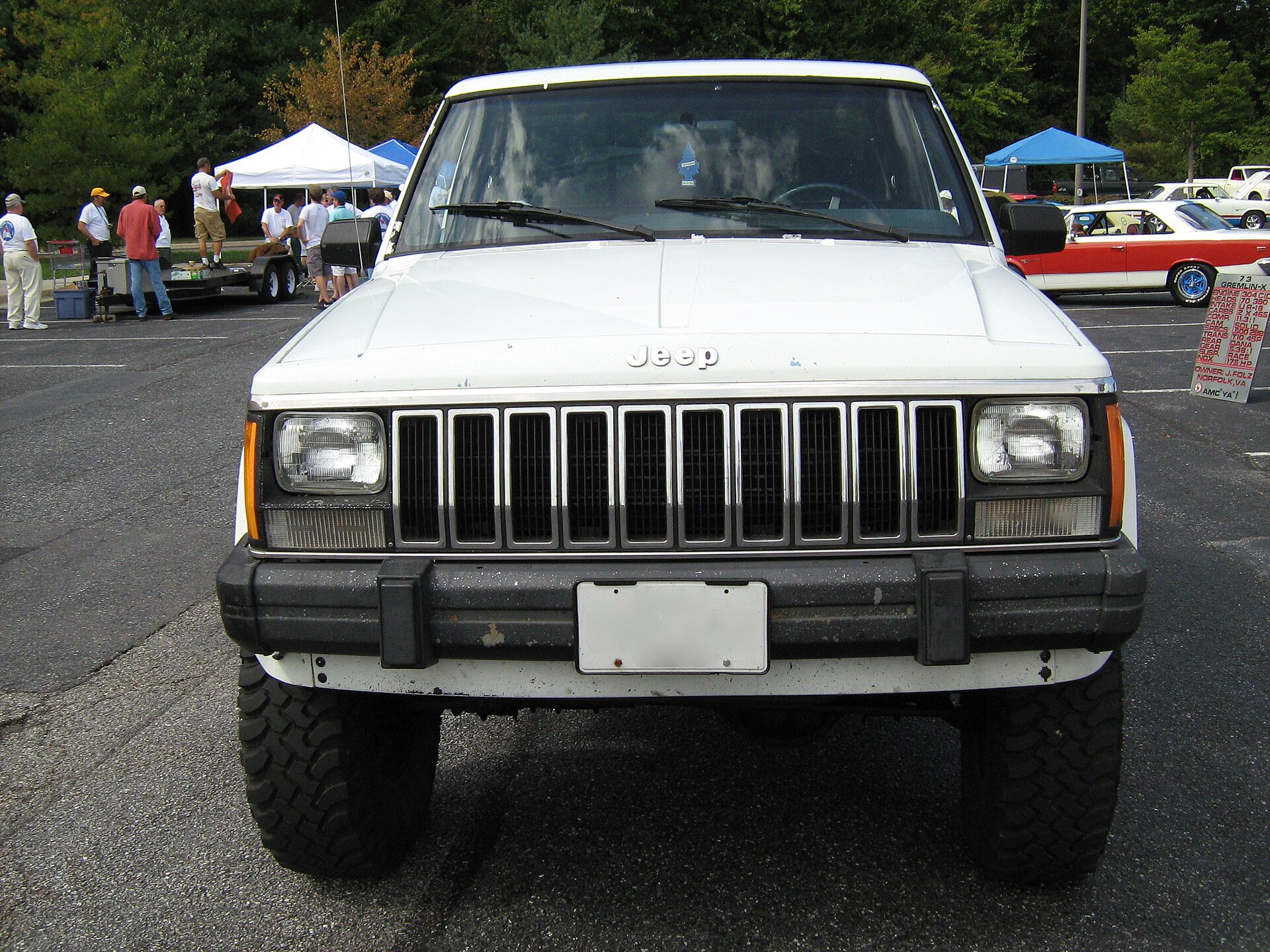
1986–1992
The MJ combined an XJ-derived unibody cab with a separate rear frame section to create Jeep's compact pickup.
MJ1986–1992
09
1956–1965
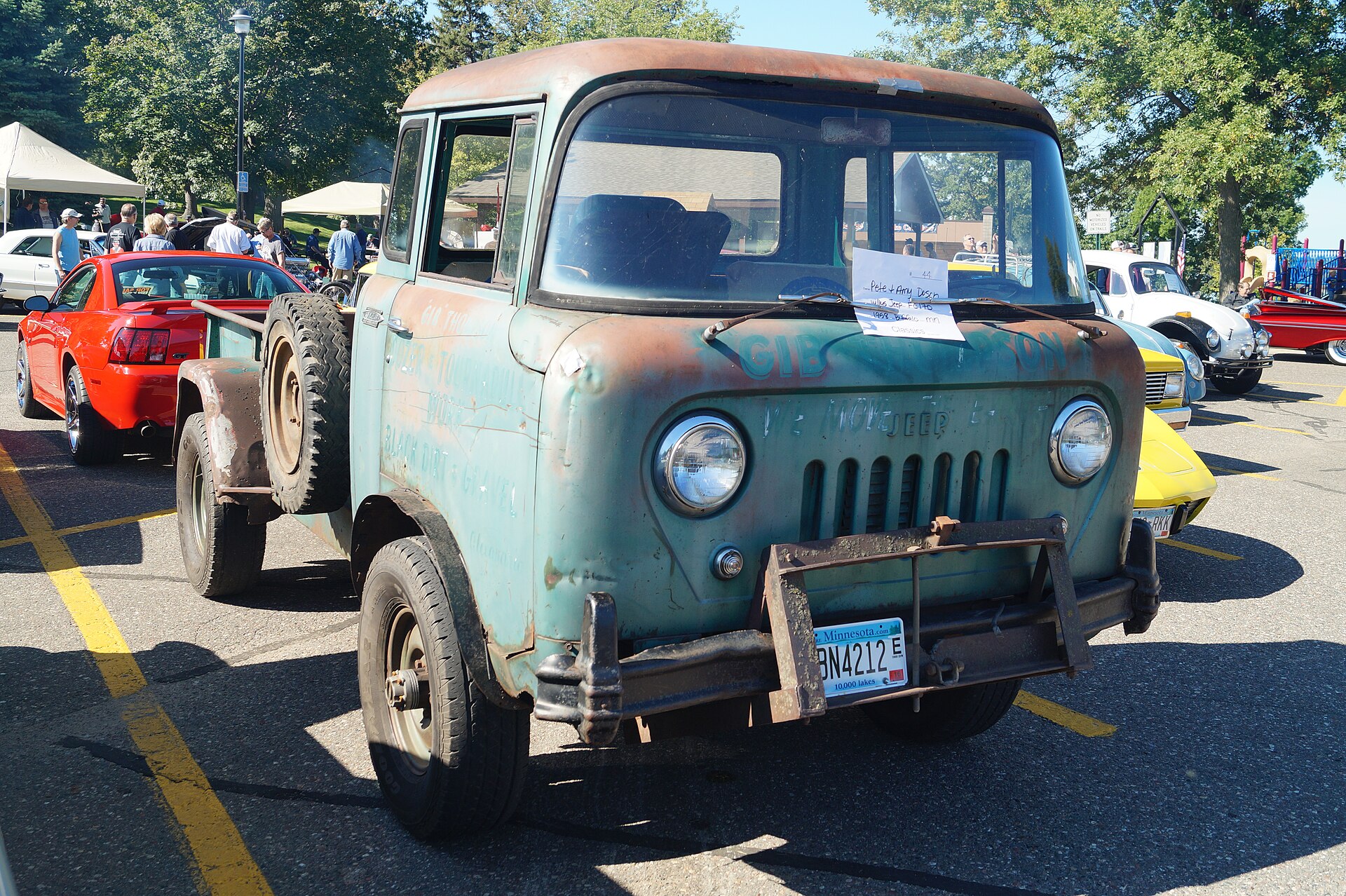
The FC moved the cab over the engine to put an unusually useful bed on a short CJ-based footprint.
FC-150 / FC-1701956–1965
M676–M6791964
10
2002–2012
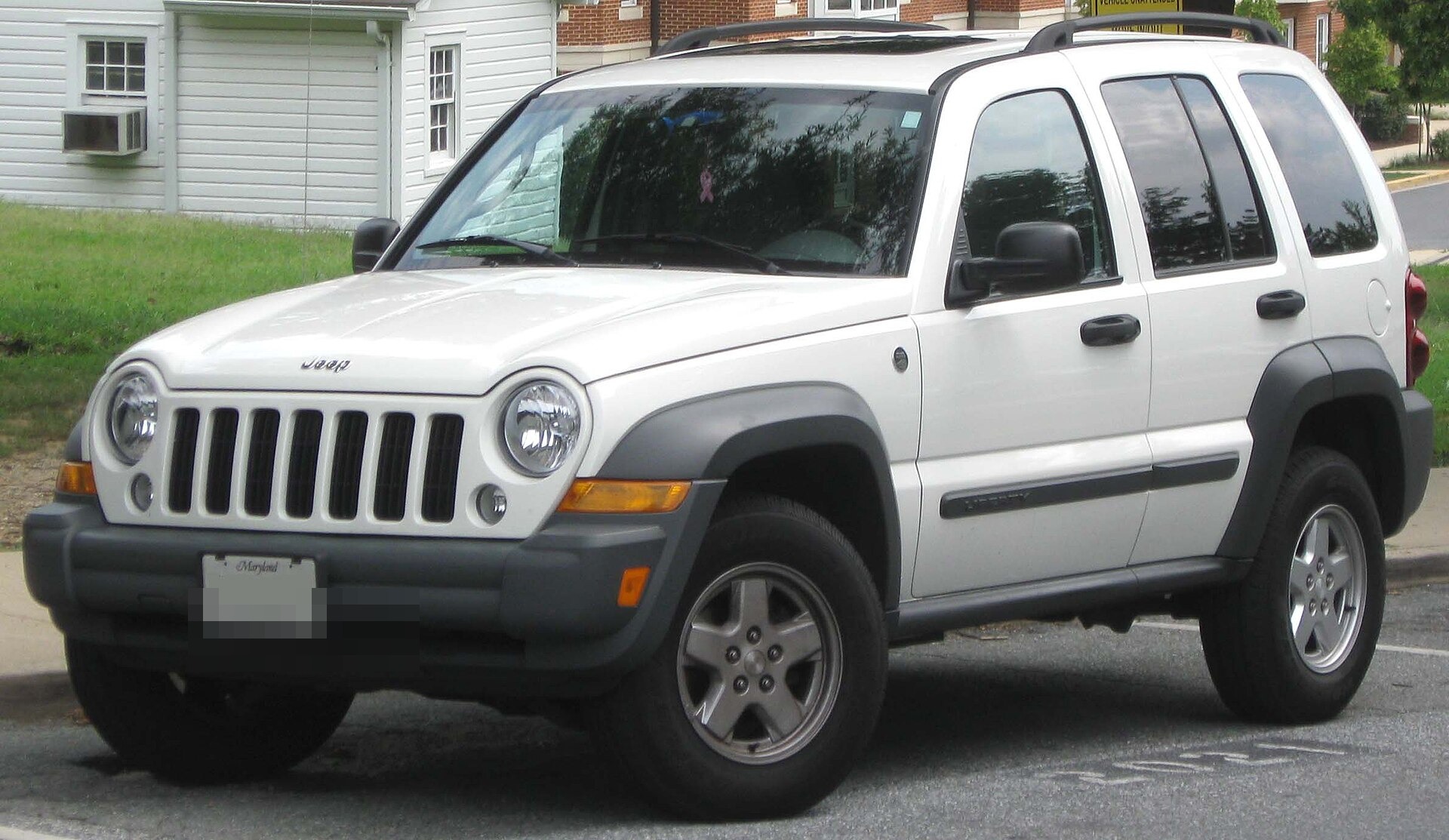
Liberty replaced the XJ Cherokee in the US, while the boxy Commander briefly gave Jeep a dedicated three-row model.
Liberty KJ / KK2002–2012
Commander XK2006–2010
11
2007–present / 2007–2017
The paired MK crossovers marked Jeep's move into car-based compact vehicles; Compass continued into a second generation.
MK49 / MK742007–2017
MP2017–present
Image research open
12
2015–2023 US
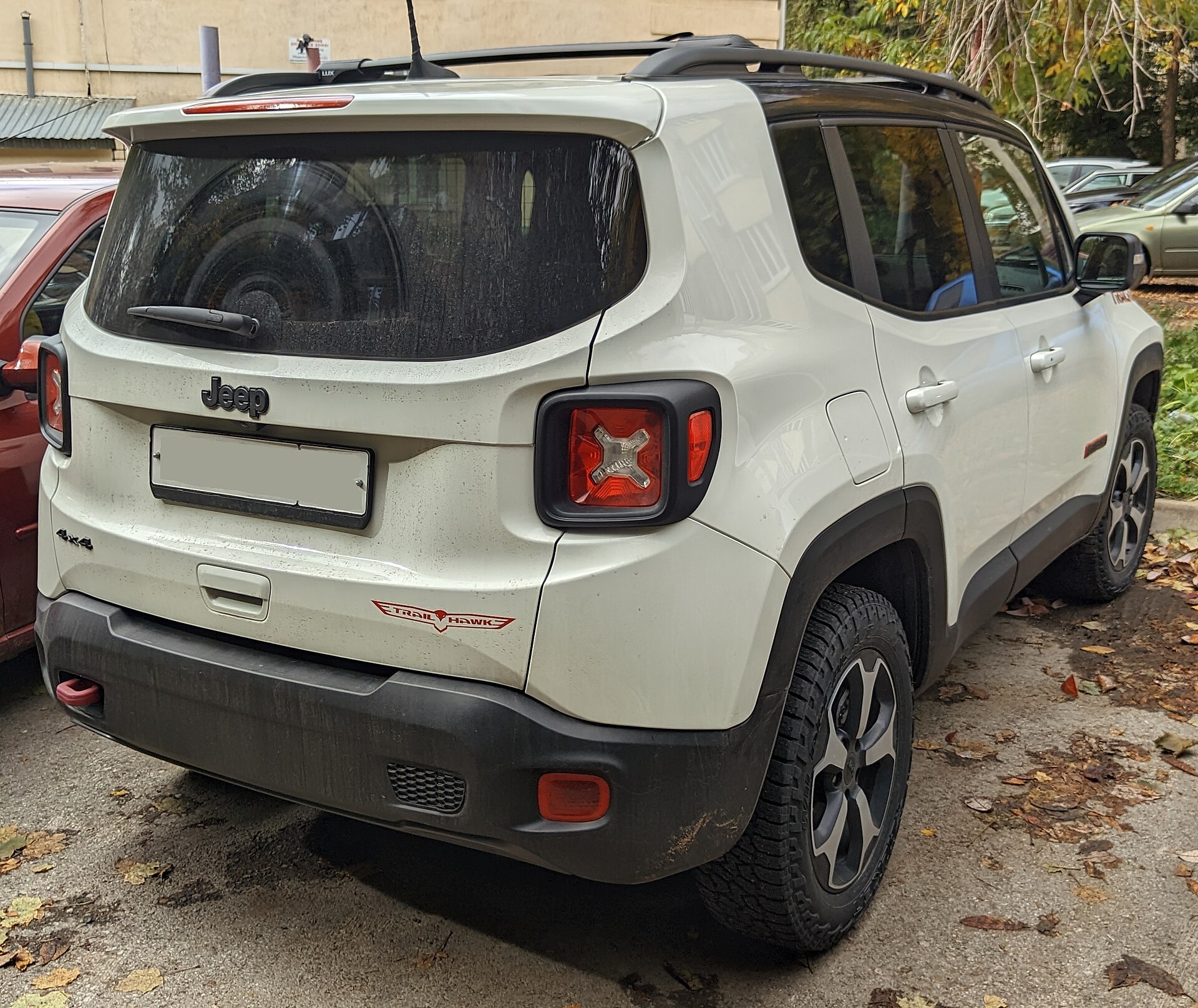
The BU Renegade reused a historic Jeep trim name for a small Fiat-platform crossover built outside the United States.
BU2015–2023 US
13
1940s–present
Hotchkiss, Mitsubishi, Mahindra, VIASA/EBRO, Brazilian Willys/Ford, IKA, and VAM carried Jeep patterns into distinct national histories.
Hotchkiss M2011950s–1960s
Mitsubishi Jeep1953–1998
Mahindra CJ descendants1940s–present